New contractual models enabled by batteries in the renewable energy sector

New contractual models enabled by batteries in the renewable energy sector

For years, the renewable energy market operated comfortably under a well-defined business model: the owner of a solar or wind plant would sign a PPA (Power Purchase Agreement) and sell its energy on a long-term basis. Under this scheme, the buyer secures price certainty and renewable origin, while the developer (asset owner) secures stable revenues and project financing.
However, the landscape has changed. High renewable penetration has led to curtailment events and so-called “zero-price hours,” together with increasingly aggressive intraday price spreads. This has brought an uncomfortable question to the forefront: what is a MWh really worth if it arrives precisely when the market is saturated?
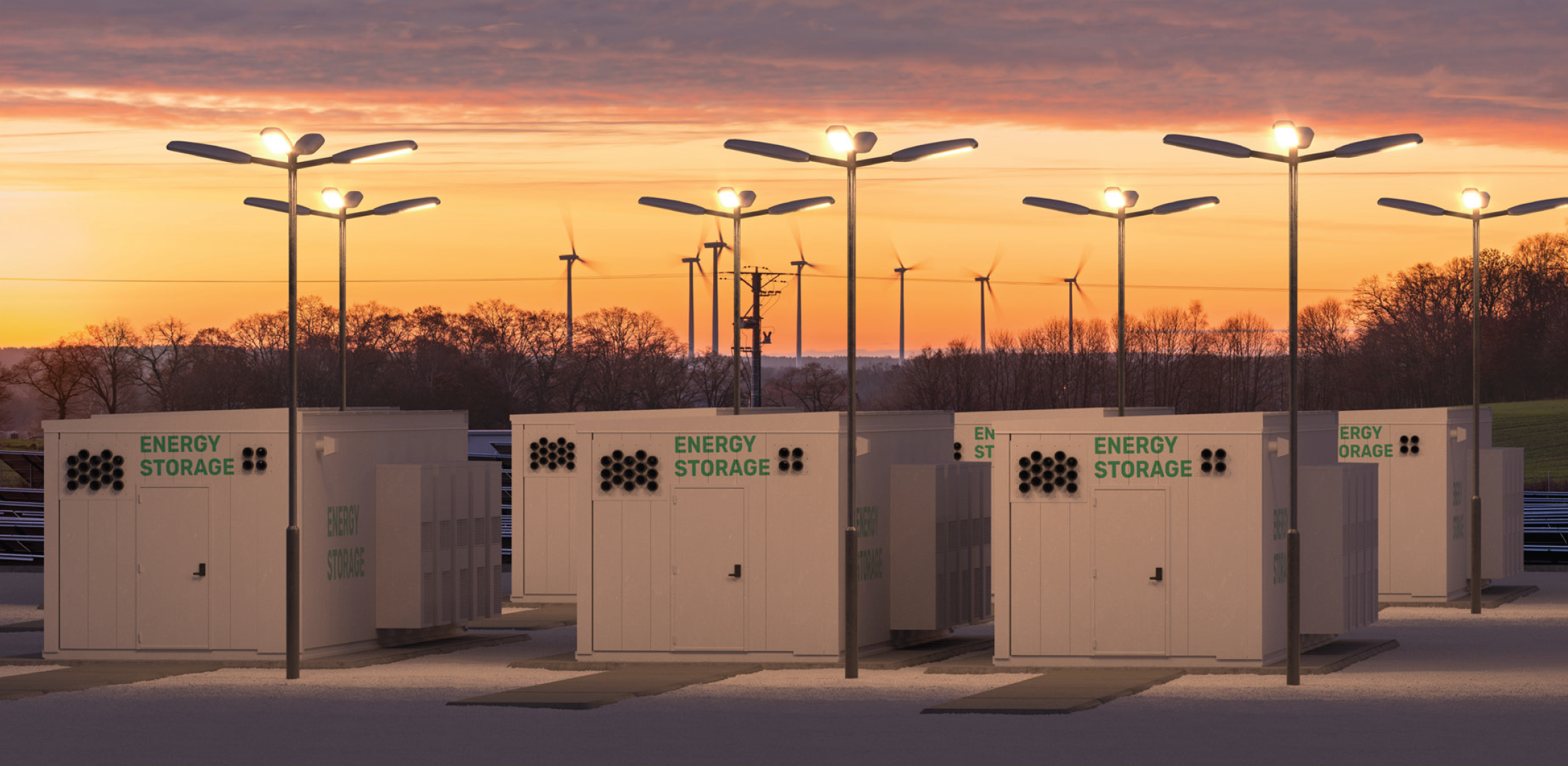
It is in this context that batteries emerge, coinciding with a moment when their purchase costs have reached historic lows. With a BESS (Battery Energy Storage System), energy ceases to be “what comes out of the renewable plant” and becomes “what can be delivered when it is actually needed.”
This represents a change in the product itself, giving rise to new contractual structures. In Spain, we will be seeing new models emerge that are already common in other countries other than the conventional PPAs. Depending on whether the asset is a hybrid plant or a stand-alone BESS, and on the type of product offered, these contracts may be referred to as: hybrid PPAs (renewable + battery), 24/7 baseload agreements, FPAs, tolling agreements, and floor agreements.
Below is an overview of the main characteristics of these contracts, noting that hybrid structures exist and boundaries are not always clearly defined.
The starting point: the conventional PPA
The PPA is the classic renewable energy contract. A buyer (traders, utility, or industrial consumer) purchases electricity on a long-term basis, and the developer (generation asset owner) gains revenue stability, shielding itself from market price volatility (an essential condition for project financing). There are multiple variants depending on delivery and settlement (physical vs. financial) and the level of risk transferred, but all share a common goal: converting part of energy revenues into something more predictable than spot prices.
The issue is that, in systems with high solar penetration and limited system-wide storage, energy is often generated during the cheapest hours. Moreover, when technical constraints prevent grid injection, the financial impact is assumed by the developer. The PPA remains an excellent instrument, but it is no longer sufficient in all cases.
1) Hybrid PPA: same concept, but with energy outside solar hours
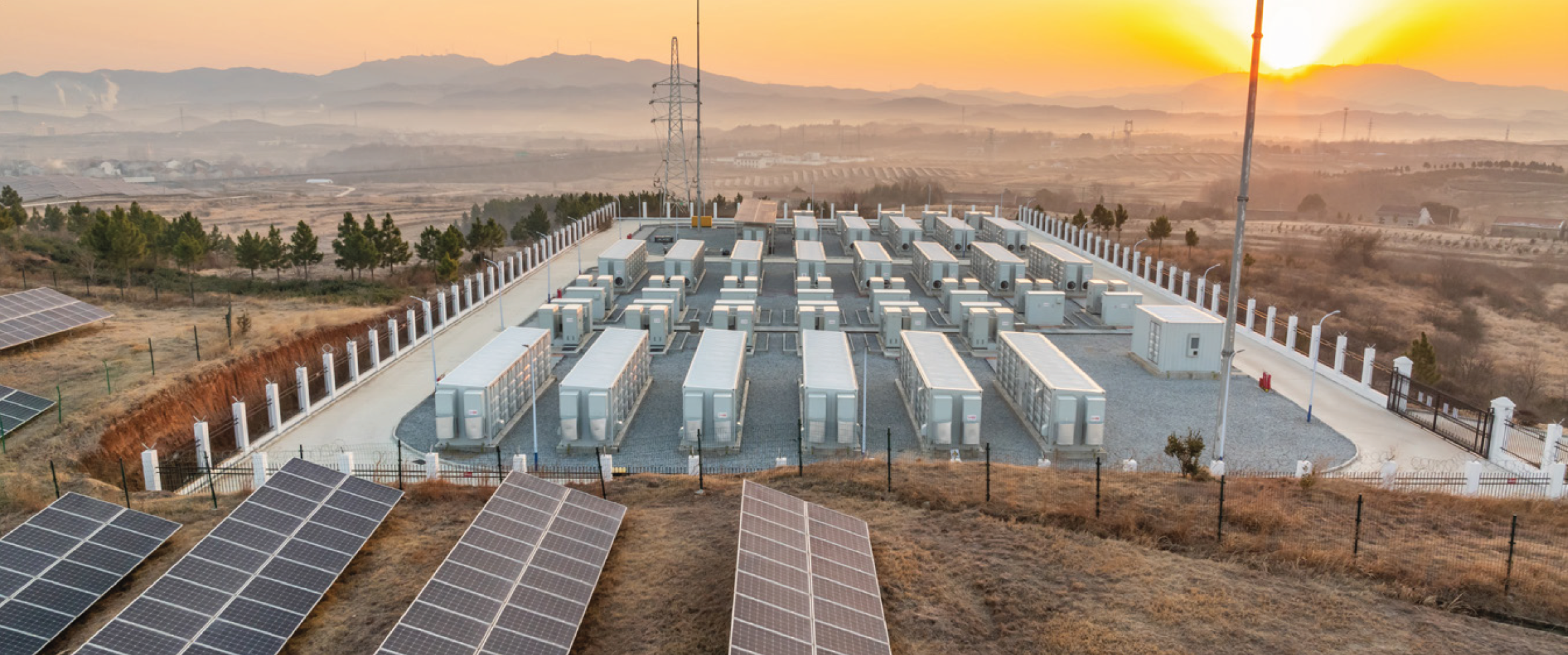
When batteries are introduced into the equation, a more powerful version of the PPA emerges, often referred to as a solar-plus-storage PPA or hybrid solar plus battery energy storage PPA. This structure provides access to clean energy beyond daylight hours, as BESS allows energy to be shifted to higher-value periods.
The product is still energy, but now with the ability to shape its delivery profile toward the hours that offer the greatest value to the buyer.
In Spain, there are already public examples, such as the agreement announced between Zelestra and EDP: a hybrid solar plus battery energy storage PPA comprising 170 MW of PV and 400 MWh of BESS.
2) 24/7 (baseload): when the contract sells “supply”
In some cases, buyers do not want just “green energy,” but something closer to continuous supply. This is where the baseload or 24/7 concept comes into play: the product is no longer “MWh when the sun shines,” but a commitment closer to firm energy, typically supported by a combination of renewable resources (solar, wind) and storage.
The product becomes continuous 24/7 supply (a more demanding product than a standard PPA) and typical buyers include consumers with constant demand profiles, such as mining operations, heavy industry, and data centers.
Public examples can be found abroad, such as the Neoen–BHP project in Australia, a “renewable energy baseload contract” for the Olympic Dam facility.
3) FPA: the product is no longer energy, but flexibility
An FPA (Flexibility Purchase Agreement) is a contract in which the developer does not sell a fixed energy profile, but rather the BESS’s ability to provide flexibility: charging and discharging according to agreed rules in order to adapt energy delivery to system and/or market needs.
The product becomes the flexibility or operational capability of the BESS (available MW, associated usable energy, time windows, ramp rates, availability, etc.). The typical buyer is a trader or utility capable of monetizing this flexibility across markets (spot, intraday, balancing, etc.).
An FPA does not necessarily imply full operational control of the BESS by the buyer. The contract can define varying degrees of operational control and responsibility sharing (e.g., availability obligations and penalties without granting full dispatch rights).
FPAs are more common for stand-alone BESS. Public international examples include:
-
Nofar Energy – Stendal (Germany): Flexibility Purchase Agreement for a 209 MWh BESS.
-
Eneco – D-STOR (Belgium): Long-term Flexibility Purchase Agreement for a 50 MW / 140 MWh project.
4) Floors: securing minimum revenues
Another mechanism to mitigate volatility is the floor agreement, designed to guarantee minimum revenues while allowing the asset owner to benefit from favorable market conditions.
Under a floor agreement, the buyer (typically a route-to-market provider, utility, or trader) guarantees a minimum energy price to the plant owner. In return, the buyer receives a fee or other economic incentive (such as revenue sharing). The owner secures a minimum price, while retaining upside exposure if pool prices exceed the floor, albeit sharing part of that upside with the buyer.
In practice, the floor is often set at a level that supports debt financing, though it does not necessarily ensure the full equity return of the investment.
Public examples include:
-
EDF Energy – Gresham House (UK): long-term floor pricing agreements covering 737 MW of storage.
-
EDPR – Axpo Polska (Poland): floor and revenue-share structure for a 60 MW / 241 MWh BESS.
5) Tolling: “leasing” the battery to an optimizer and securing fixed income
A tolling agreement is a model used to monetize and finance a BESS while minimizing the developer’s exposure to price volatility and service cannibalization. Instead of selling energy or flexibility, the owner transfers operational (dispatch) rights of the BESS to a third party in exchange for a fixed payment (the “toll”), under agreed rules.
The product is the sale of capacity and operational rights of the BESS, including control over its market strategy. The buyer is typically an optimizer, trader, or utility with route-to-market capabilities.
The owner receives a fixed income for leasing the asset, while the buyer seeks to maximize operational value, capturing the difference between market revenues and the toll paid.
The key distinction from an FPA is that under tolling, the buyer usually obtains much broader operational control, often full trading control. As a result:
-
market revenue risk shifts from the asset owner to the buyer;
-
the buyer’s incentive is to capture the upside above the guaranteed level (if it can operate the BESS more efficiently than the toll cost).
Although such structures are starting to appear in Spain, public examples can be found in the UK:
-
Gresham House Energy Storage Fund – Octopus Energy (UK): tolling agreement for 568 MW / 920 MWh.
With batteries, the business is no longer just about selling MWh
With batteries, the business is no longer just about selling MWh
In conclusion, when a developer owns a pure renewable generation asset, the natural contractual solution remains the PPA (physical or virtual). However, once a BESS is introduced, new models emerge:
- Contracts that still sell energy, but with higher value: hybrid PPAs and, at the other end, baseload or 24/7 agreements.
- Contracts that sell flexibility in exchange for revenue stability: FPAs, tolling agreements, and floor structures.
This explains why batteries are transforming the market internationally and how they may do so in Spain. Storage does not just move electrons; it changes the product and reshapes the contractual model.
ATA Renewables is an independent engineering and consulting firm with extensive global experience in renewable energy technical advisory. We help developers, financiers, and energy buyers structure PPAs and optimize the bankability of their assets.
For more information, visit www.atarenewables.com
DO YOU NEED TECHNICAL SUPPORT OR ADVICE FOR YOUR PPAS?
CONTACT OUR TEAM
AUTHORS
TECHNICAL TEAM